THERMOGRAPHIC DIAGNOSTIC IMAGING

Health Through Awareness

THERMOGRAPHIC DIAGNOSTIC IMAGING

Health Through Awareness

TDI & Health Through Awareness

Empowering individuals to become proactive in their lifestyle choices to maximize their well-being.

Exciting Announcement!

We at Thermographic Diagnostic Imaging are thrilled to announce a new partnership commencing on
July 1, 2024 with Dr. Alexander Mostovoy from Thermography Clinic Inc.

We at Thermographic Diagnostic Imaging are thrilled to announce a new partnership commencing on July 1, 2024 with Dr. Alexander Mostovoy from Thermography Clinic Inc.

A significant benefit of this partnership for our clients is the enhanced level of technology and quality of service. Dr. Mostovoy brings over 25 years of experience in thermography, particularly in the areas of breast, dental, thyroid, and musculoskeletal imaging. His depth of knowledge and clinical experience will complement our existing capabilities, ensuring that our interpretations and diagnostic accuracy are of the highest standard. Moving forward, Dr. Mostovoy will work in tandem with Dr. Getson who will continue to provide thermographic interpretations as he has for the past 42 years.

We understand the importance of continuity. Our existing Board-Certified Technicians, Liesha and Marianne will continue to perform the imaging to ensure that our clients will continue to receive the trusted, high-quality care they have come to expect. All satellite locations will remain the same and there will be no change in pricing.

Our primary thermographic testing site is in Marlton, NJ with satellite locations throughout NJ, NY, PA, and DE.  For more information or to schedule an appointment please call 856-596-5834.

Medical Thermography

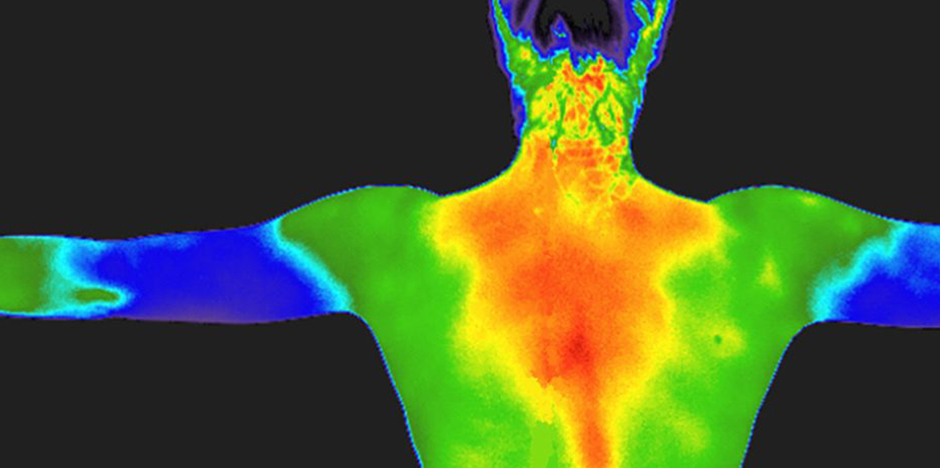
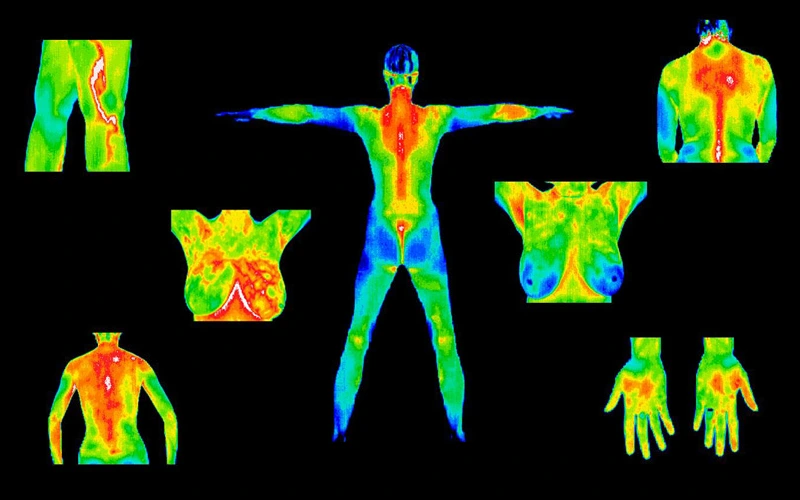
Thermography uses infrared technology to provide an image of the body’s physiological responses. It does so without the use of radiation, contact or other invasive means. There are no risks or side effects of the test.

Safe Early Detection

It is well documented in all fields of medicine that the earliest detection leads to the best outcome. Thermography offers a safe means of early detection.

About Medical Thermography

TDI News & Events

Thermographic Diagnostic Imaging is thrilled to announce a new partnership commencing on July 1, 2024 with Dr. Alexander Mostovoy from Thermography Clinic Inc.

Partnership with Dr. Alexander Mostovoy

We at Thermographic Diagnostic Imaging are thrilled to announce a new partnership commencing on July 1, 2024, with Dr. Alexander Mostovoy from Thermography Clinic Inc. …
Neuromuscular Thermography

Neuromuscular Thermography: Unveiling Hidden Pain Sources

Have you been experiencing chronic pain that traditional tests haven’t been able to pinpoint?
5 Reasons to Book a Far Infrared Radiant Heat POD Session

Far Infrared Radiant Heat POD Session – Top 5 Reasons to Book Today

The POD at Thermographic Diagnostic Imaging offers a unique session using far-infrared radiant heat, providing multiple health benefits. The process includes sweating out toxins, improving lymphatic flow, boosting the immune system, and aiding in relaxation and rejuvenation.

Why Choose TDI?

All thermographic images are interpreted by Philip Getson, D.O. who founded TDI in 1982 and has been certified by four thermographic boards. He is widely considered an expert in the field of thermography.

Click here to watch “A Breast Health Risk Assessment Tool” video on YouTube.

Learn More About TDI Watch Breast Health Assessment Video

Social Media Posts

Facebook

Thermographic Diagnostic Imaging - Health Through Awareness

Thermographic Diagnostic Imaging – Health Through Awareness

1,051

Thermographic Diagnostic Imaging is a thermography practice located in Marlton, New Jersey.

Your body doesn’t only speak up when something is “serious.”Sometimes it whispers first—through subtle shifts you might brush off or normalize. So how do you know how to listen… and when to pay attention? We made a short, 2-minute video to help you tune in and take one simple, empowering next step. Have a beautiful day,—Tallie See MoreSee Less
View on Facebook
Thanks to Paradigm Thermography for the post!💔🌀 When Trauma Blocks the FlowHow Emotional Wounds Create Physical Stagnation in Your Lymphatic System(This article is for informational purposes only and is not a substitute for professional medical advice, diagnosis, or treatment. Always consult your healthcare provider before making changes to your health regimen.)“Our biography becomes our biology.” — Dr. Gabor MatéWhat if your swollen nodes, chronic puffiness, or lymphatic congestion aren’t just physical…What if they are echoes of unspoken pain?The truth is, trauma doesn’t just live in your memory. It embeds itself in the tissues of your body — tightening fascia, freezing breath, gripping muscles, and quietly clogging your lymphatic system.This is the science of emotional stagnation — and the healing potential that’s unlocked when your lymph starts to flow again.🧠💧 The Forgotten Link: Emotions + LymphYour lymphatic system is the silent river of your body — it carries toxins, waste, immune cells, and inflammatory messengers. But it doesn’t have a heart to pump it.Instead, it relies on movement, breath, relaxed fascia, and neurological safety to flow.And this is where trauma steps in.When the body is trapped in a chronic fight-flight-freeze state — whether from abuse, grief, surgery, illness, or stress — your nervous system stays alert. Shoulders rise. The breath shallows. The diaphragm stiffens. Fascia contracts.And the lymph slows.🔒 Fascia: Where Trauma HidesYour fascia — the connective tissue that wraps every muscle, organ, and lymphatic vessel — holds somatic memory. Emotional trauma causes fascial rigidity, particularly in: • The neck & jaw (where the vagus nerve and deep cervical nodes sit) • The gut (where trauma often somatizes and lymph collects) • The pelvis (home to lymphatic cisterns and stored grief/violation)Research in biotensegrity and somatic release confirms that emotional experiences change fascial tone, impeding fluid flow and lymphatic movement【Scarr, G. Biotensegrity】.🧬 The Vagus Nerve & Lymph FlowYour vagus nerve is the body’s brake pedal. When it’s toned and calm, your body feels safe — digestion flows, breath deepens, and lymphatic rhythm returns.But trauma often leads to vagal shutdown or overload, impairing: • Gut-lymph circulation • Neuro-lymphatic drainage in the brain • Immune balance and inflammationThat’s why so many trauma survivors develop autoimmunity, swelling, or chronic fatigue.😭 When You Cry, You DrainThis may sound poetic, but it’s physiologically true:When you weep, sigh, exhale deeply, or shake, you’re moving lymph.Emotional release techniques — like somatic therapy, breathwork, craniosacral therapy, and MLD — often trigger “emotional detox” symptoms. This isn’t a setback. It’s a sacred reset.🌿 What Can You Do to Heal?Healing trauma-driven lymph stagnation is about more than drainage. It’s about creating safety in your nervous system so your body can finally let go.💆‍♀️ Therapeutic Tools: • Manual Lymphatic Drainage (MLD): Gently moves fluid & rewires safety into touch • Fascial Release & Craniosacral Therapy: Frees old holding patterns in the body • Vagus Nerve Stimulation: Cold exposure, humming, gargling, breathwork • Castor Oil Packs: Anti-inflammatory, grounding, and somatically soothing • Somatic Therapy: Releases stored trauma through body awareness and movement • Gentle Movement & Emotional Expression: Dancing, weeping, sighing, praying🧘🏻‍♀️ Real Healing Happens When…The body feels safe enough to surrender.The fascia softens.The breath deepens.The lymph begins to flow.And the soul finally exhales.This isn’t just lymphatic therapy.This is sacred restoration of a body that’s been carrying too much for too long.📚 Supporting Research: • Van der Kolk B. The Body Keeps the Score — trauma’s impact on physiology and memory • Scarr G. “Biotensegrity and the Fascia System” • Carter J, et al. Brain Behav Immun. 2016 — trauma, inflammation, and immune dysregulationdoi.org/10.1016/j.bbi.2016.10.019©️ See MoreSee Less
View on Facebook
Is Soy Really Bad for Breast Health?Soy often gets a bad reputation because it contains phytoestrogens, leading many people to believe it raises estrogen and increases breast cancer risk.However, the science shows something different.Soy isoflavones are very weak plant estrogens that can actually help modulate estrogen activity in the body rather than increase it.Interestingly, populations in Japan and China, where diets traditionally include foods like tofu, tempeh, and miso soup, have historically had lower breast cancer rates compared to Western countries.Research supports this:• A meta-analysis of 21 studies found higher soy intake was associated with about a 25% lower risk of breast cancer (Wu et al., Journal of Nutrition).–> pubmed.ncbi.nlm.nih.gov/17330506/• Studies in Chinese women found the highest soy intake linked to significantly reduced breast cancer risk (Zhang et al.). –> pubmed.ncbi.nlm.nih.gov/22393950/• Reviews of Japanese population studies also suggest protective effects of soy consumption (Nagata et al.). –> pubmed.ncbi.nlm.nih.gov/24453272/What we may want to be more mindful of in Western diets is excess estrogen production, which can be influenced by factors such as body fat, processed foods, and conventionally raised meats that may contain hormone residues.The takeaway: Traditional whole soy foods — tofu, miso, tempeh, and edamame — appear safe and may even be protective when consumed as part of a balanced diet.Breast health is less about fearing one food and more about supporting a healthy internal environment. See MoreSee Less
View on Facebook
Thanks to Thermography Clinic Ireland for the post!What is Thermal Breast Imaging? Breast cancer is scary business. Adding thermal imaging to standard screening can provide peace of mind. Not only can thermal imaging help in the detection process but it can identify signs of inflammation and blood vessel activity that can represent risk for developing cancer in the future. With this knowledge, actions can be taken to lower risk while using thermal imaging as feedback to help assess effectiveness. The feeling of helplessness is replaced with the feeling of empowerment. See MoreSee Less
View on Facebook
View on Facebook